





Back-to-school season is an exciting time for students and families. However, for many children and teens, returning to school also means managing medications during the school day. Some of these medications may include inhalers for asthma, EpiPens for severe allergies, and daily medications for conditions such as ADHD or diabetes. Safe medication use at school is important to keep students healthy and able to learn.
Many Canadian children live with chronic health conditions such as asthma, allergies, ADHD or diabetes. These conditions sometimes require medication during school hours. If medications are not used properly, serious health problems can occur. A missed dose, incorrect use, or delay in treatment could lead to asthma attacks, allergic reactions, high or low blood glucose levels or difficulty concentrating in class. That is why having clear plans and proper training is essential.
Inhalers are used by students with asthma to help them breathe. There are reliever inhalers, used during symptoms or attacks, and controller inhalers, used regularly to prevent symptoms. Students should always have quick access to their reliever inhaler and know how to use it properly. Many schools allow students to carry their inhalers if they can use them safely.
Epinephrine auto-injectors, often called EpiPens, are used to treat severe allergic reactions known as anaphylaxis. These reactions can happen quickly and may be life-threatening. EpiPens must be used immediately when symptoms occur. Students at risk should have access to their EpiPen at all times. Depending on the distance from the school to the hospital, it may be advised that students carry two pens.
Students with ADHD may take medication to help with focus and behaviour. Some take medication before school, while others may need doses during the school day. These medicines must be handled carefully, as they are controlled substances. Schools may store them securely and supervise their use.
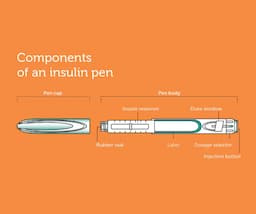
Students with diabetes may also need medication and support during the school day. Diabetes is a condition that affects how the body uses sugar (glucose) for energy. Some students need to monitor their blood sugar levels regularly and may take insulin using an injection or insulin pump. They might also need to eat snacks at certain times to keep their blood sugar stable. It is important that students with diabetes have a clear care plan at school, including when to check their blood sugar, when to take insulin, and what to do in an emergency. Teachers and staff should know the signs of low blood sugar and respond quickly by giving a fast source of sugar and getting help if needed. With proper planning and support, students with diabetes can safely take part in all school activities.
Safety is a shared responsibility. Students should understand their condition and know how to use their medication. Parents should provide up-to-date medication, ensure it is properly labeled, and communicate with the school. Schools should have plans in place, train staff, and respond to emergencies if needed.
Proper storage is important. Medications should be kept in their original labeled containers and stored according to instructions.
Emergencies require quick action. Staff should recognize symptoms, give medication right away, call emergency services, and contact parents.
Communication is key. Parents, students, and schools should work together to create clear plans. These plans help prevent mistakes and ensure the student’s safety.
Safe medication practices allow students to participate fully in school while staying healthy. With proper planning, students can manage their health and focus on learning. Your pharmacist can assist with any questions or concerns you may have to ensure a safe return to school this fall.