





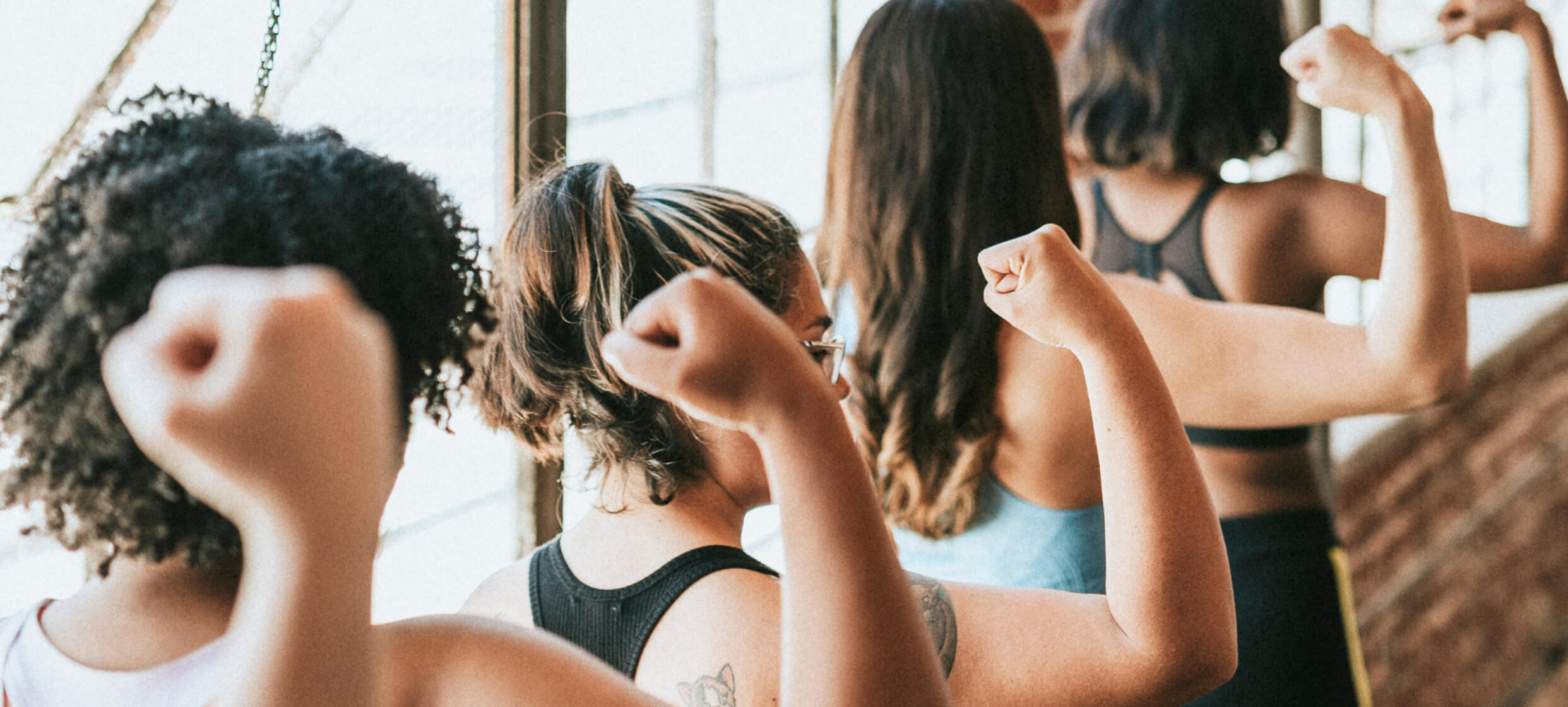
Canadians participate in the recognition of International Women’s Day annually on March 8th. It is a day to recognize the achievements of women and girls and to reflect on the work still needed to achieve gender equality. One of the most important ways we can support women is by promoting health and wellness. Women’s health goes beyond physical well-being; it includes mental, emotional, and social health.
On March 8, communities across Canada host events such as marches, workshops, and art shows to celebrate women’s achievements and advocate for equality. Indigenous communities often hold traditional ceremonies, while immigrant groups blend cultural traditions with Canadian values. You can participate by:
Attending local IWD events.
Sharing stories of inspiring women on social media.
Supporting organizations that promote women’s health and rights.
Encouraging friends and family to schedule their preventative health screenings.
Women’s Health:
Women in Canada live longer than men on average, but research shows they spend 24% more time in poor health compared to men. This health gap affects women’s ability to work, care for families, and participate fully in society. To address these challenges, the National Women’s Health Research Initiative was launched by the Canadian Institutes of Health Research. This program funds research on issues like endometriosis, heart health, mental health, and access to care for Indigenous and rural communities. These efforts aim to ensure that women and gender-diverse people receive care that meets their unique needs.
Preventative Health:
Preventative health means taking steps to avoid illness before it starts. In Canada, this includes routine screenings, immunizations, and lifestyle counseling. Here are some key recommendations:
Breast Cancer Screening: Most women aged 40–75 should have a mammogram every two years.
Cervical Cancer Screening: A Pap test is recommended every three years for ages 25–70.
Colorectal Cancer Screening: Starting at age 50, a stool test every two years is advised.
These tests help detect problems early, when treatment is most effective. Unfortunately, only 56% of Canadians go for regular checkups, and just 41% get screening tests. Barriers like cost, time, and lack of awareness often prevent people from seeking care. That’s why education and access are so important.
Healthy Lifestyle Choices:
Preventative health isn’t just about doctor visits but also about daily habits. According to Health Canada, healthy living means making choices that support your physical, mental, and spiritual well-being. Here are some practical tips:
Eat Well: Follow Canada’s Food Guide by choosing vegetables, fruits, whole grains, and lean proteins. Limit processed foods and sugary drinks.
Stay Active: Aim for at least 150 minutes of moderate exercise per week. Activities like walking, cycling, or skating are great options.
Avoid Smoking and Limit Alcohol: These habits increase the risk of chronic diseases.
Manage Stress: Practice mindfulness, deep breathing, or yoga to reduce stress levels.
Build Social Connections: A strong support network improves mental health and resilience.
Canada’s natural beauty makes staying active easier. Whether it’s hiking in Banff, skating on Ottawa’s Rideau Canal, or walking in your local park, outdoor activities can boost both physical and mental health.
Mental and Emotional Health:
Mental health is just as important as physical health. Stress, anxiety, and depression can affect anyone, and women often face unique challenges such as caregiving responsibilities and workplace pressures. If you or someone you know needs support, Canada offers many free resources:
9-8-8 Suicide Crisis Helpline: Call or text 24/7.
Kids Help Phone: Support for youth via phone (1-800-668-6868) or text (686868).
Hope for Wellness Helpline: Services for Indigenous peoples (1-855-242-3310).
In Summary:
Women’s health is about more than avoiding illness. It is about living a full, healthy life. By focusing on preventative care, adopting a healthy lifestyle, and supporting mental and emotional well-being, we can help close the health gap and create a stronger Canada for everyone. This International Women’s Day, let’s celebrate the progress we’ve made and commit to building a future where every woman has the opportunity to thrive.